

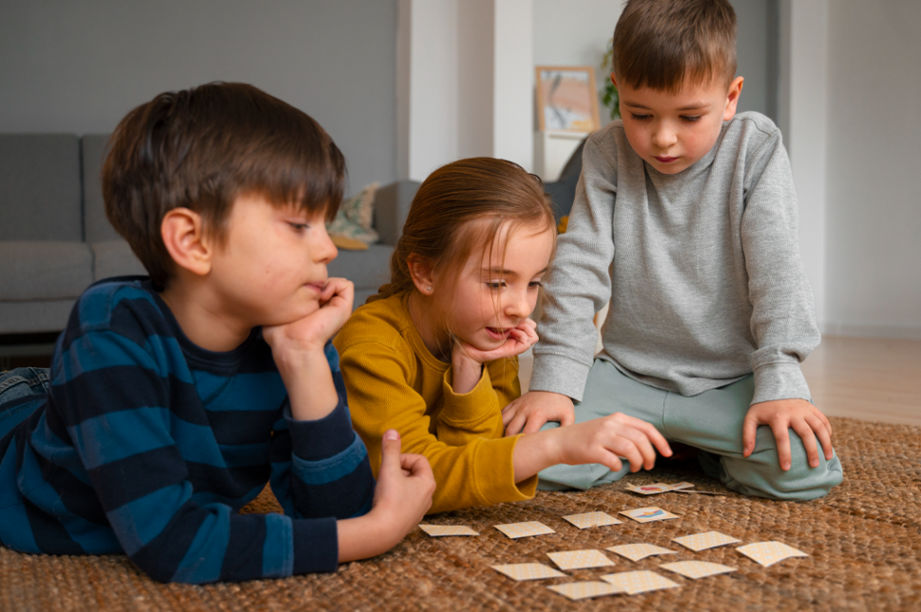
Gamified learning changes classroom energy and attention. Young learners enjoy playful challenges during daily lessons. Games bring curiosity and active thinking into learning moments. But traditional worksheets often reduce excitement and discovery. Gamified design adds goals rewards and clear progress paths. So, learners explore ideas with greater confidence and interest. The classroom becomes an adventure space for thinking. Creative teachers design playful challenges that spark curiosity. These playful systems guide children toward deeper understanding and confidence.
Interactive Challenges Encourage Active Thinking
The playful challenge motivates young minds each day. Students explore puzzles that require careful reasoning. The brain stays active and curious during lessons. Teachers present missions that guide students through layered thinking tasks. Children connect clues and ideas through engaging story situations. The structure keeps attention focused on meaningful progress. Classroom games replace passive listening with lively exploration. Learners discuss ideas and test solutions together. Sometimes the excitement grows through friendly collaboration. Game systems often reward patience and thoughtful effort. Mission based platforms like Mission.IO create immersive classroom experiences that encourage strategy curiosity and cooperation.
Story Based Learning Builds Deeper Engagement
Stories transform learning tasks into meaningful adventures. Young students enjoy characters missions and unfolding discoveries. The narrative context adds purpose to each challenge. So, learners feel responsible for solving each puzzle. Teachers guide exploration through creative story environments. Sometimes learners imagine exploring oceans forests or distant planets. Each new mission invites careful thinking and observation. Story worlds also support teamwork and shared reasoning. Students discuss clues and propose possible solutions. Digital platforms such as Mission.IO often design missions that blend storytelling teamwork and logical thinking.
Rewards Boost Motivation and Confidence
Positive feedback boosts focus and effort. Rewards help kids notice growth. Small triumphs motivate perseverance in difficult endeavors. Children feel proud after solving significant riddles. The reward system honors patience and logic. Sometimes badges or accolades encourage involvement. Teachers create fair systems that reward inquiry and effort. Students grow steadily with clear goals. Seeing progress and achieving it motivates. Carefully planned Mission.IO promote contemplation, collaboration, and logic.
Collaborative Games Improve Social Problem Solving
Team activities strengthen communication and shared reasoning. Students learn to explain ideas with clarity. So, group discussions often reveal creative perspectives and solutions. Cooperative challenges require listening patience and thoughtful dialogue. Each learner contributes unique thinking during group missions. Classroom teams celebrate success through shared achievement. Teachers also introduce problem solving activities for 3rd grade students through collaborative quests that blend logic teamwork and playful exploration.
Conclusion
Gamified learning brings curiosity and excitement into classrooms. Playful systems encourage exploration and creative reasoning. So young learners approach challenges with confidence and enthusiasm. Structured missions support logic collaboration and reflection. Gamified strategies help young students enjoy learning while developing lasting problem-solving skills.
